MARKET TRENDS
Who Still Believes in Europe's Wind Targets?
Only 7% of developers back EU 2030 targets as costs climb and supply chain strain deepens across Europe's offshore wind sector
11 Jun 2026
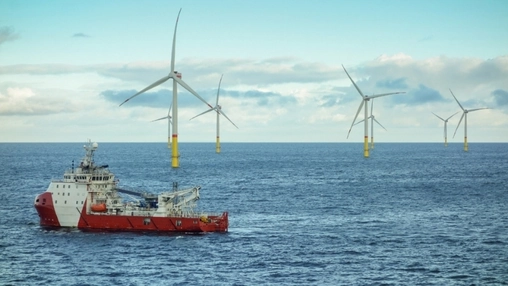
Seven percent is a damning number. That small share of offshore wind developers who believe Europe will meet its 2030 targets is the central finding of a report commissioned by Dajin Heavy Industry and produced by GlobeScan. Operators representing 85% of Europe's existing and planned offshore wind capacity were surveyed, making it perhaps the most thorough read of industry sentiment yet taken.
Costs are the immediate problem. Supply chains are stretched, port infrastructure is inadequate, and material prices have climbed steadily. Strategic Energy Europe has noted that ports alone require substantial investment before installation pipelines can run on schedule. Delays compound.
Policy uncertainty sharpens the pain. Developers argue that shifting regulatory frameworks from Brussels raise financial risk and discourage long-term capital. Without stable signals from governments, project timelines drift further from targets, and the gap between ambition and delivery widens.
The ripple effects reach well beyond energy producers. Manufacturers, logistics firms, and construction companies that have built growth strategies around offshore wind expansion now face doubt about their own timelines. Should clean energy shortfalls drive power prices higher across European markets, consumers will eventually absorb that cost too.
For all that, industry voices frame this as a moment for decision rather than defeat. Coordinated action between governments, developers, and supply chain partners could still shift the trajectory. Faster permitting, targeted port investment, and long-term procurement commitments are the levers most frequently cited. The window before 2030 is narrow. Whether it remains open long enough will depend on whether policy catches up to the pace that physics and finance are already demanding.
Related News


SUBSCRIBE FOR UPDATES
By submitting, you agree to receive email communications from the event organizers, including upcoming promotions and discounted tickets, news, and access to related events.